
October 22, 2026
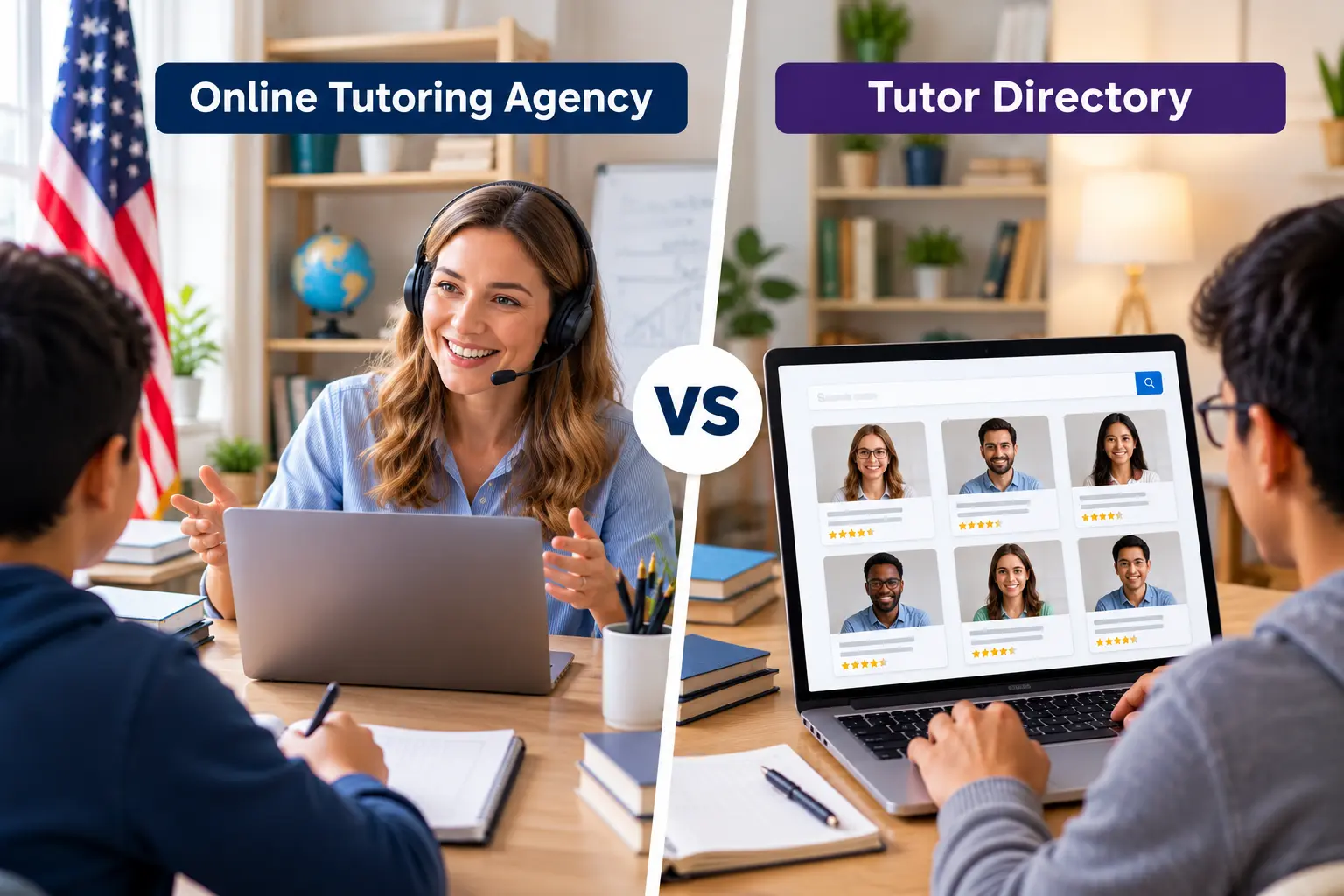
Finding the right tutor can make a significant difference to a student’s learning journey. However, parents often face a choice between using an online tutoring agency and searching through a tutor directory. Although both options help families find tutors, they offer different levels of support, guidance, and convenience.
An online tutoring agency helps students find suitable tutors through a more structured process, while a tutor directory allows parents and students to browse profiles and contact tutors independently. Understanding these differences can help families choose an option that suits their learning goals, budget, and schedule.
An online tutoring agency is a service that connects students with tutors based on their academic needs, learning preferences, and educational goals. These agencies typically offer a more guided approach to finding tuition, helping families identify tutors who match their requirements.
In the UK, an online tutoring agency may support students studying for primary school assessments, GCSEs, A-levels, and other qualifications. Depending on the service, students can receive one-to-one online lessons, subject-specific support, and exam preparation.
The process often begins with an enquiry about the student’s year group, subjects, current challenges, and targets. The agency then helps identify a suitable tutor and may assist with scheduling, communication, and ongoing support.
For parents who want help navigating the tutoring process, an agency can provide a convenient alternative to searching for tutors individually.
A tutor directory is an online platform where tutors list their profiles, qualifications, experience, subjects, and hourly rates. Parents and students can browse these listings to find tutors who appear suitable for their needs.
Directories usually give users greater independence when selecting a tutor. They can compare multiple profiles, review available information and contact tutors directly to discuss lessons.
However, the level of assistance varies between platforms. Some directories provide reviews, search filters and messaging features, while others simply display tutor listings.
A directory generally helps users discover available tutors rather than managing the entire process of finding and arranging tuition. Families may need to check qualifications, compare teaching styles, confirm availability, and organise lessons themselves.
Both options can help students find academic support, but their approaches are different.
Feature | Online tutoring agency | Tutor directory |
Finding a tutor | May recommend tutors based on student needs | Users search and select tutors themselves |
Personal guidance | Often provides support during the selection process | Usually offers limited selection assistance |
Tutor verification | May conduct qualification or background checks, depending on its policies | Verification standards vary by platform |
Lesson arrangements | May help coordinate scheduling and communication | Students often arrange lessons directly |
Choice | Recommendations may narrow down suitable options | Users can browse a wider range of listings |
Convenience | Suitable for families wanting guided support | Suitable for families comfortable researching independently |
Ongoing support | May offer progress reviews or additional assistance | Depends on the individual tutor and platform |
It is important to check each provider’s actual services. Not every agency offers the same level of support, and some directories provide additional features beyond basic tutor listings.
The right choice depends on how much assistance a family needs when arranging tuition.
An agency may be suitable if your child needs support in a particular subject, is preparing for GCSE or A-level examinations, or requires a tutor with specific teaching experience.
It can also help parents who have limited time to research different tutors. Rather than reviewing numerous profiles independently, families may receive recommendations based on their child’s requirements.
Before choosing an agency, ask how it matches students with tutors, whether it checks qualifications, and what support is available if the initial match is unsuitable.
A directory may be a good option if you already know which subject your child needs help with and feel confident comparing tutors.
You can explore different teaching backgrounds, compare prices and contact several tutors before making a decision. This approach may also help you find tutors with particular specialisms or preferred teaching styles.
However, you should independently check the tutor’s experience, references where available, lesson policies and suitability for your child’s needs.
Whether you use an agency or a directory, the quality of the tutor is one of the most important factors.
Consider these points before booking lessons:
It is also helpful to discuss specific learning goals before lessons begin. These might include improving confidence in mathematics, strengthening English skills or preparing for an upcoming examination.
A well-organised tutoring arrangement should focus on more than simply delivering lessons. It should help students work towards clear, achievable learning goals.
Depending on the provider, support may include an initial discussion about academic needs, personalised lesson planning, regular feedback and adjustments to teaching methods as the student progresses.
For example, a GCSE student struggling with mathematics may benefit from identifying gaps in algebra before moving on to more advanced exam questions. A student preparing for A-level biology may need support with complex concepts, application-based questions and examination technique.
Parents should ask how progress is measured and how often they will receive updates. Regular communication can help families understand whether lessons are addressing the student’s difficulties effectively.
Your Personal Tutor aims to make finding suitable academic support easier for students and families. When comparing tutoring options, parents should look for a service that understands their child’s educational goals and helps them find appropriate learning support.
For families exploring online tutoring UK options, it is worth considering the subjects offered, tutor experience, lesson flexibility and the level of guidance available throughout the process.
Before making a decision, discuss your child’s year group, subject requirements, learning challenges and preferred schedule. These details can help establish whether an agency’s services match your expectations.
An online tutoring agency and a tutor directory both help families access academic support, but they offer different experiences. An agency may guide with tutor selection and lesson arrangements, whereas a directory gives parents more responsibility for researching and choosing tutors.
By understanding these differences, checking tutor suitability and setting clear learning goals, families can make a more informed decision. The priority should always be finding a tutor who understands the student’s needs and helps them develop knowledge, confidence and independent learning skills.
An agency may be better for families who want guidance finding a suitable tutor, while a directory may suit those who prefer to research and contact tutors independently. The best choice depends on your needs and the services offered.
Qualifications and verification procedures vary between agencies. Ask about subject qualifications, teaching experience, identity checks, and relevant safeguarding checks before booking.
Many tutoring agencies offer support for GCSE and A-level subjects. Check that the provider covers the relevant subject, exam board and qualification level before arranging lessons.
Yes. Online tutoring can support primary school pupils with reading, writing, mathematics and preparation for assessments. Lessons should be age-appropriate, engaging and suited to the child's attention span.
Compare the tutor selection process, subject coverage, experience, pricing, lesson flexibility and safeguarding arrangements. Ask how progress is monitored and what happens if a tutor is not the right fit.






We provide practical education that prepares you with real-world skills for lasting success.
Quick Links
Your Personal Tutor© 2026 All Rights Reserved. Design by Vivid Digisolution